
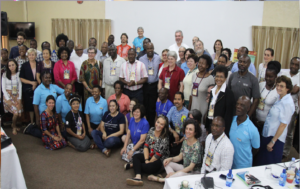
In December 2018, CSEM, in collaboration with Weltkirche (Hauptabteilung Weltkirche der Diözese Rottenburg-Stuttgart – Germany), the Congregation of the Missionary Sisters of St. Charles Borromeo,

Professor of Sociology of Migration at the University of Milan
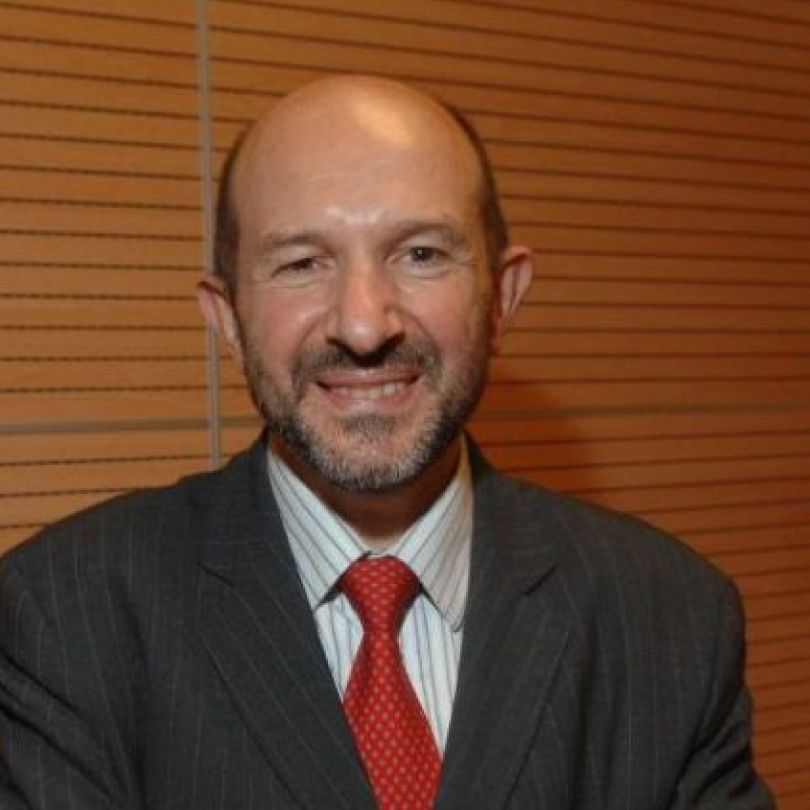
Maurizio Ambrosini is professor of Sociology of Migration at the university of Milan, Department of Social and Political Sciences, and gave courses on Sociology of Migrations in other European universities.
He is also the editor of the journal “Mondi Migranti”, and the Director of the Italian Summer School of Sociology of Migrations.
His research regards mainly irregular immigration, labour markets, migration policies at national and local level, transnational families, asylum seekers and refugees.
In English he has published Irregular Immigration and Invisible Welfare (Palgrave, 2013), Irregular migration in Southern Europe (Palgrave 2018), Irregular immigration- a short reader (Springer 2023, with M. Hajer), and several articles on leading international journals.
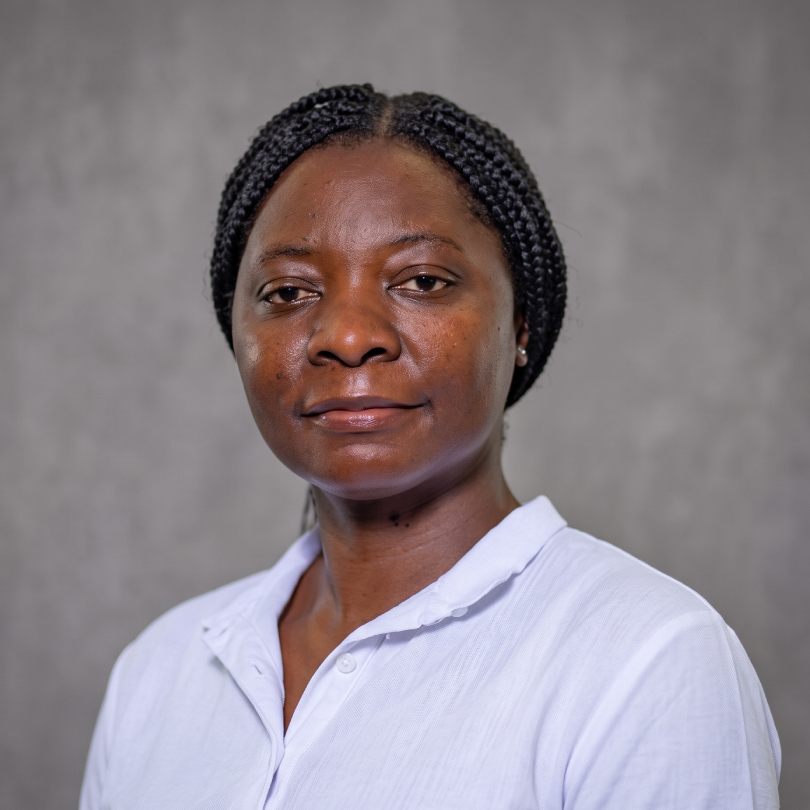
Professor
Senior researcher at IDOS
Rose Jaji is originally from Zimbabwe and holds a PhD in Anthropology from the University of Bayreuth, Germany.
She is currently a Professor and Researcher at the German Institute of Development and Sustainability.
Her doctoral dissertation focused on the integration of refugee women in Nairobi, Kenya.
Her research interests include migration and refugee studies, gender, conflict, and peacebuilding.
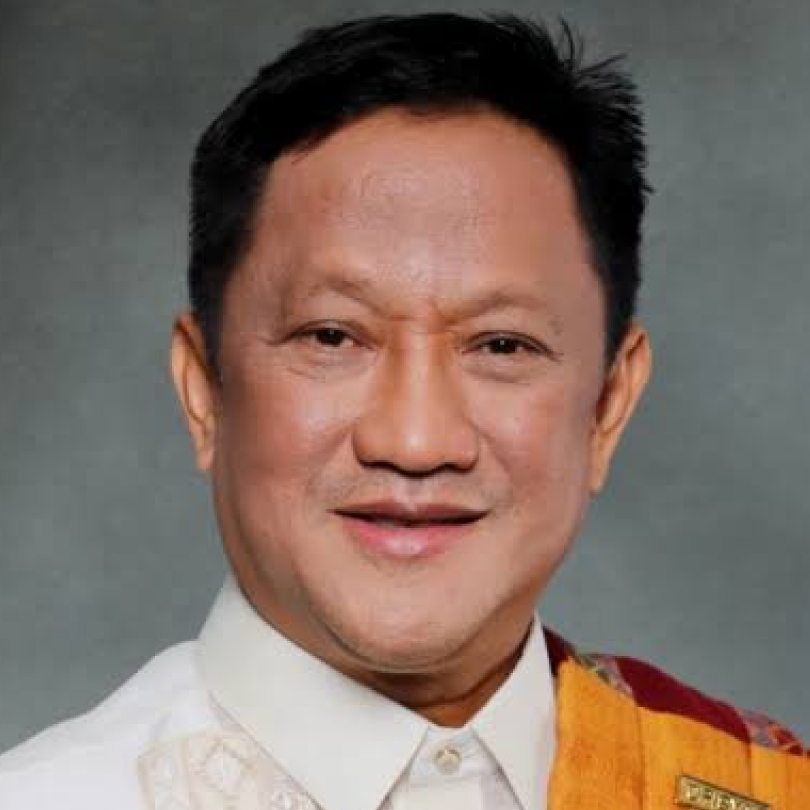
President of the
University of the Philippines
Angelo A. Jimenez is a labor lawyer and expert on international labor migration whose work contributed to the establishment of the Philippines’ Department of Migrant Workers and to migration governance frameworks across Asia, Africa, and the Middle East.
He previously served as Deputy Administrator of the Overseas Workers Welfare Administration and as Labor Attaché in Japan, Kuwait, and Iraq, with extensive experience in migrant protection and crisis response.
Jimenez has also lectured and published on migration governance, ethical recruitment, and overseas labor law. He holds a Master in Public Management from the National University of Singapore and was a Lee Kuan Yew Fellow at Harvard University.
He earned his law and sociology degrees from the University of the Philippines Diliman and has held several leadership positions within the UP system.
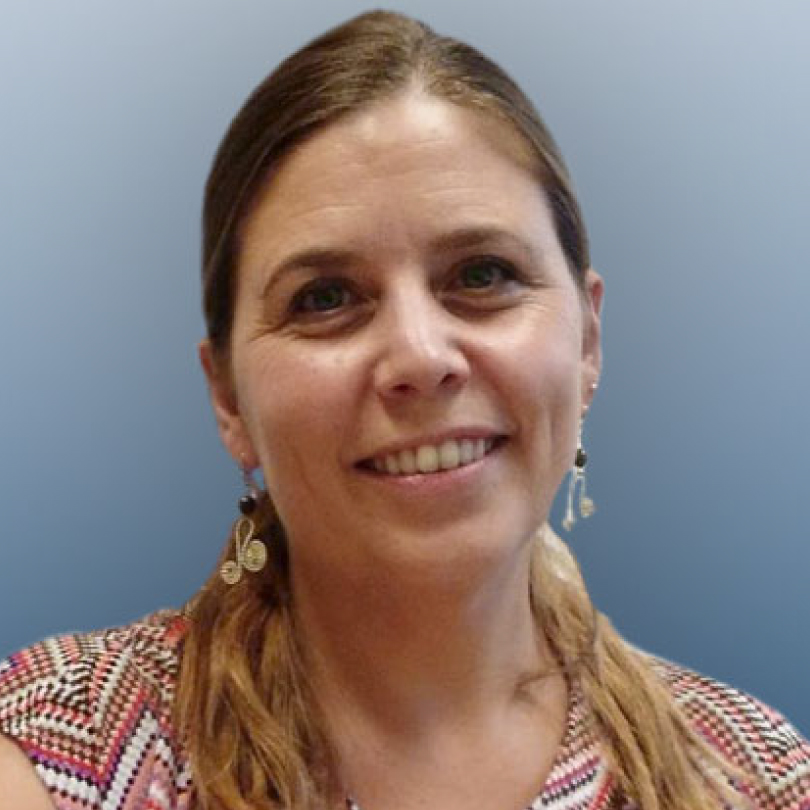
Professor at the National Autonomous University of Mexico (UNAM)
Luciana Gandini holds a PhD in Social Sciences, with a concentration in Sociology, from El Colegio de México (COLMEX).
She is a Senior Researcher at the Institute for Legal Research of the National Autonomous University of Mexico (UNAM), specializing in the sociology of law.
She is also Coordinator of the University Seminar on Internal Displacement, Migration, Exile and Repatriation (SUDIMER), which brings together and promotes research on migration and human mobility at UNAM.
She specializes in migration and refugee policies in Mexico and Latin America, as well as the labor and socio-legal integration of people on the move within South–South and South–North migration flows. Her most recent research interests include international migration, development and human rights; voluntary and involuntary migration; the Venezuelan exodus and Central American caravans; and qualitative and quantitative research methods.


Across five days, the IV edition of ICoMiR in 2027 will bring together keynote sessions, roundtables, Working Groups, institutional dialogues and field-based activities. Explore the programme day by day and discover the discussions, speakers and activities shaping this edition of the Conference.
The programme below presents the preliminary structure of ICoMiR 2027. Session titles, speakers and specific activities may be updated as the Conference programme is finalized.
08:00 — Registration
08:30 — Opening Ceremony & Welcome Remarks
09:00 — Intercultural & Symbolic Moment
09:40 — Coffee Break
10:00 — Opening Plenary: Humanity on the Move: Diversity, Opportunities and the Promotion of Rights
11:10 — Book Launch
12:00 — Lunch
13:00 — Roundtable 1: Human Rights and Human Mobility in Asia and the Pacific
15:00 — Coffee Break
15:30 — Plenary: Rights in Danger? A New Era in Migration Policies
16:40 — End of Day 1
08:00 — Registration
08:30 — Roundtable 2: Deportability and Human Dignity in Migration Contexts
10:20 — Coffee Break
10:40 — Roundtable 3: Migration Governance, Deportability and Regimes of Control
12:30 — Lunch
14:00 — Thematic Working Groups — Session 1
16:40 — Coffee Break, Networking & End of Day 2
08:00 — Registration
08:30 — Plenary: Creating Opportunities for Migrants and Refugees
09:40 — Coffee Break
10:40 — Roundtable 4: Strengthening Migrant Voices: Interfaith and Community Responses to Human Mobility
12:30 — Lunch
14:00 — Thematic Working Groups — Session 2
16:40 — Coffee Break, Networking & End of Day 3
08:00 — Registration
08:30 — Presentation of the Draft Final Statement
09:30 — Cultural Programme
10:40 — Roundtable 5: Migrant Women and Labour Migration: Promoting Rights, Dignity and Opportunities
12:00 — Lunch
13:00 — Plenary on Labour Migration
14:10 — Final Assembly
16:40 — Official Closing & Cultural Moment
Field Visit & Community Engagement
The fifth day of ICoMiR 2027 will be dedicated to field visits and direct engagement with local initiatives working with migrants and communities in Metro Manila.
Detailed itinerary to be announced.
ICoMiR – International Conference on Migration and Refuge is an international forum that brings together researchers, practitioners, policymakers, students, and organizations to exchange knowledge and perspectives on migration, refuge, forced displacement, and human mobility.
The IV ICoMiR will take place from 1 to 5 February 2027 at the University of the Philippines in Manila, Philippines.
The theme of the IV ICoMiR is “Humanity on the Move: Diversity, Opportunities and the Promotion of Rights.” It explores migration and human mobility through the perspectives of diversity, opportunities, and the protection and promotion of rights.
ICoMiR is open to researchers, academics, students, practitioners, policymakers, representatives of civil society organizations, and others working or interested in migration and refuge.
Yes. Students are welcome to participate and contribute to the discussions, Working Groups, and academic exchange throughout the conference.
Registration will be available through the official ICoMiR registration form. Further information about registration, fees, and deadlines will be announced through the conference's official communication channels.
Yes. Researchers, students, practitioners, and other contributors are invited to submit proposals according to the conference guidelines and deadlines. Check the Call for Proposals for submission requirements.
Working Groups are spaces for in-depth discussion and knowledge exchange around specific themes related to migration and refuge. They allow participants to present ideas, share research, and engage in dialogue with other participants.
The conference will bring together experts, researchers, practitioners, and other voices working on migration and refuge. Speakers and keynote participants will be announced through the official ICoMiR channels.
Participants can expect keynote sessions, Working Groups, academic discussions, networking opportunities, and exchanges with people from different countries and professional backgrounds.
English will be the main working language of the conference. Further information about languages and interpretation, if applicable, will be announced closer to the event.
Information regarding certificates of participation and presentation will be provided by the organizing committee as part of the conference guidelines.
Yes. Universities, research centers, civil society organizations, international organizations, and other institutions can explore opportunities to collaborate with ICoMiR. Interested institutions can contact the organizing committee.
Yes. Organizations and institutions interested in supporting ICoMiR can explore partnership and sponsorship opportunities with the organizing committee.
Information about recommended accommodation and practical arrangements in Manila will be shared with registered participants as the conference approaches.
Practical information about the venue, transportation, airport transfers, and access to the University of the Philippines will be provided closer to the event.
The conference may include cultural, networking, and social activities designed to encourage interaction among participants and provide opportunities to experience the local context.
Follow the official ICoMiR communication channels for updates on registration, the program, speakers, proposals, practical information, and other announcements.
Lorem ipsum dolor sit amet, consectetur adipiscing elit. Ut elit tellus, luctus nec ullamcorper mattis, pulvinar dapibus leo.

In December 2018, CSEM, in collaboration with Weltkirche (Hauptabteilung Weltkirche der Diözese Rottenburg-Stuttgart – Germany), the Congregation of the Missionary Sisters of St. Charles Borromeo,
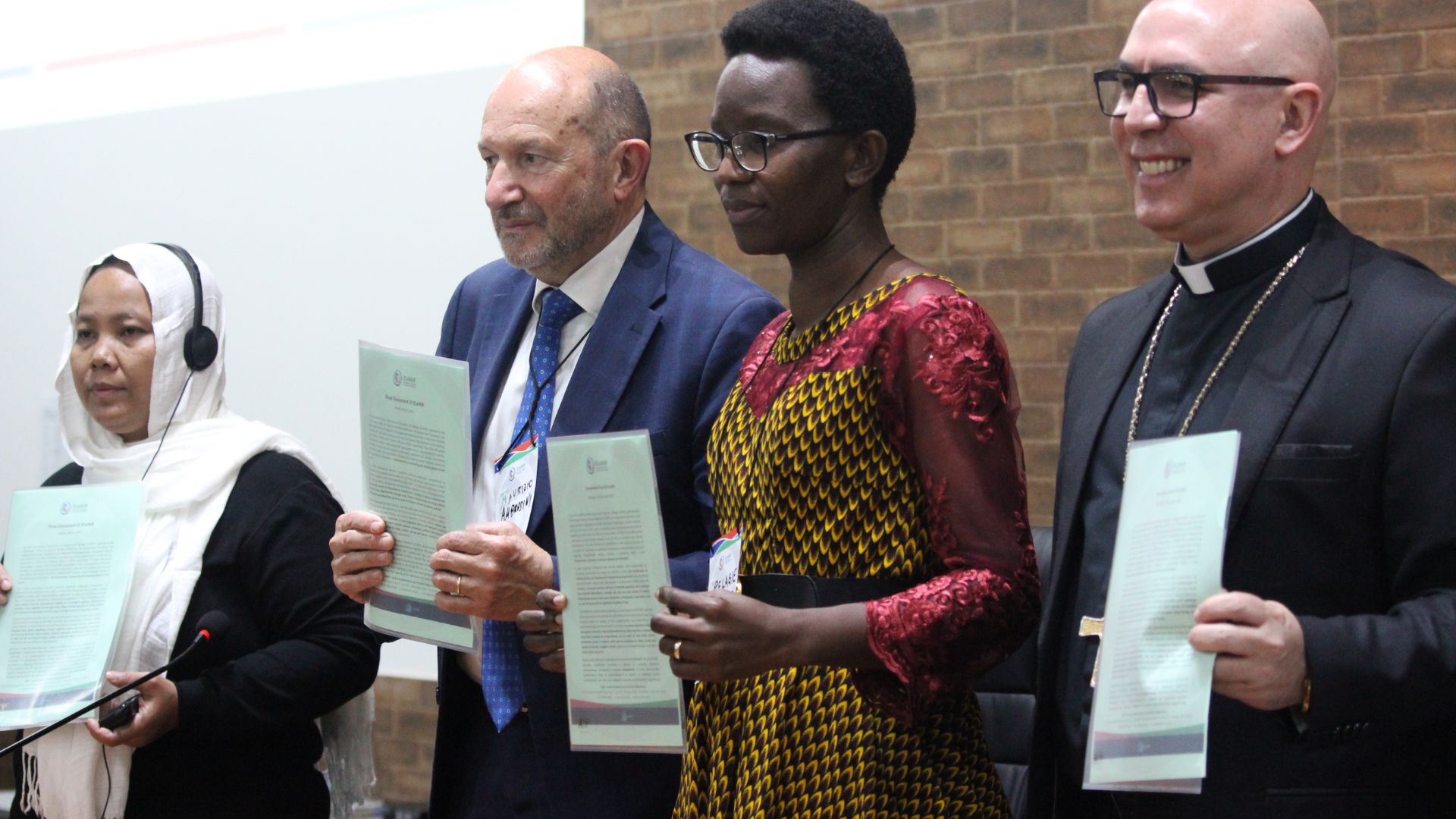
As a continuation and development of the first conference, between 2019 and 2023, CSEM worked intensively to prepare and organize the second international conference. Marked
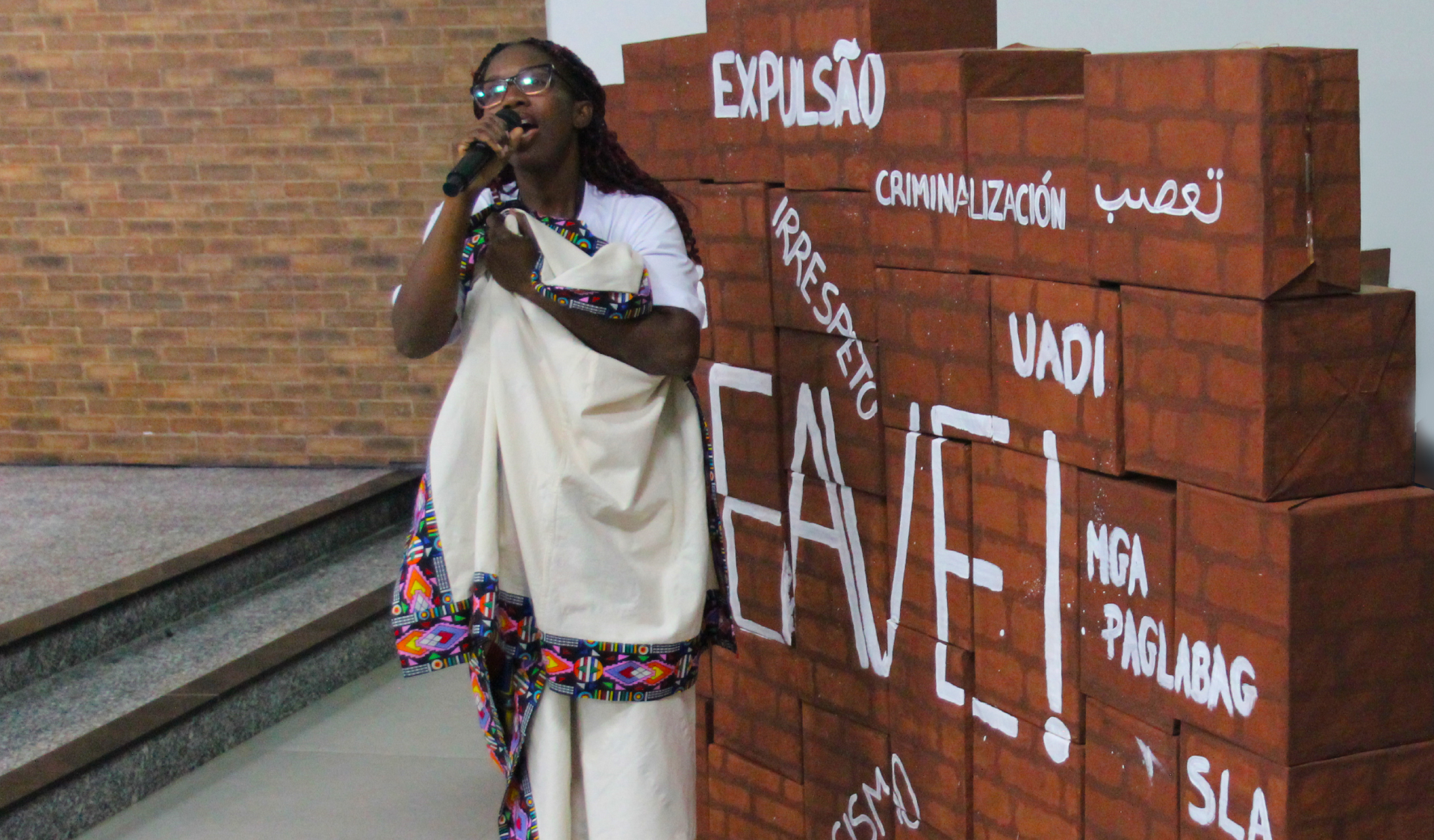
The III International Conference of CSEM, titled Dialogues to Understand, Humanize, and Value People in Mobility, aimed to analyze and discuss migration trends from multiple perspectives:
In December 2018, CSEM, in collaboration with Weltkirche (Hauptabteilung Weltkirche der Diözese Rottenburg-Stuttgart – Germany), the Congregation of the Missionary Sisters of St. Charles Borromeo,
As a continuation and development of the first conference, between 2019 and 2023, CSEM worked intensively to prepare and organize the second international conference. Marked
The III International Conference of CSEM, titled Dialogues to Understand, Humanize, and Value People in Mobility, aimed to analyze and discuss migration trends from multiple perspectives: